

This article is inspired by a recent episode of the Comics Odyssey podcast. Check it out here.
Fantastic Four #260 isn’t just a solid John Byrne cosmic brawl comic - it’s a snapshot of 1983’s pop culture frenzy. Star Wars, Atari, Hubba Bubba: every ad reveals who Marvel thought you were, and what they believed they could sell you. These original floppies beat collected editions hands-down - they’re portals to a pre-internet era of consumer desire and techno optimism.
The Outsider’s View
As a rural Canadian kid from a fundamentalist home, I was a pop culture outsider. I was hedged in by strict rules about contact with the big scary world out there. To me, pop culture was a game of fill-in-the-blank. So whenever I could get my hands on a comic book I’d read the whole thing, every ad, every copyright notice, every credit. I would often see “not available in Canada”, pouring salt on my alienation.
Looking at a map, the U.S. was right next door - just a thin line away. But nope, they couldn’t send us sea monkeys!
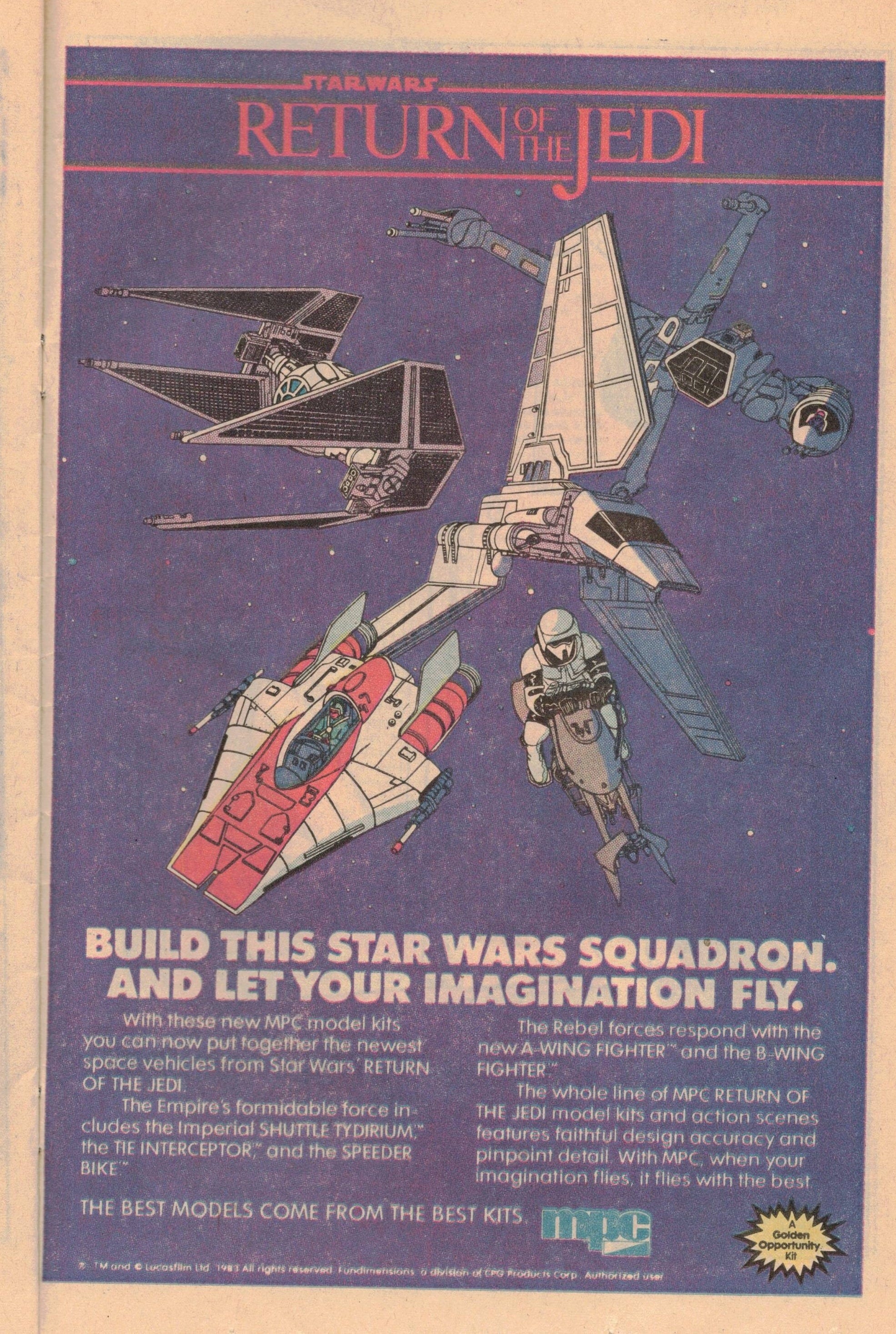
Star Wars Everywhere
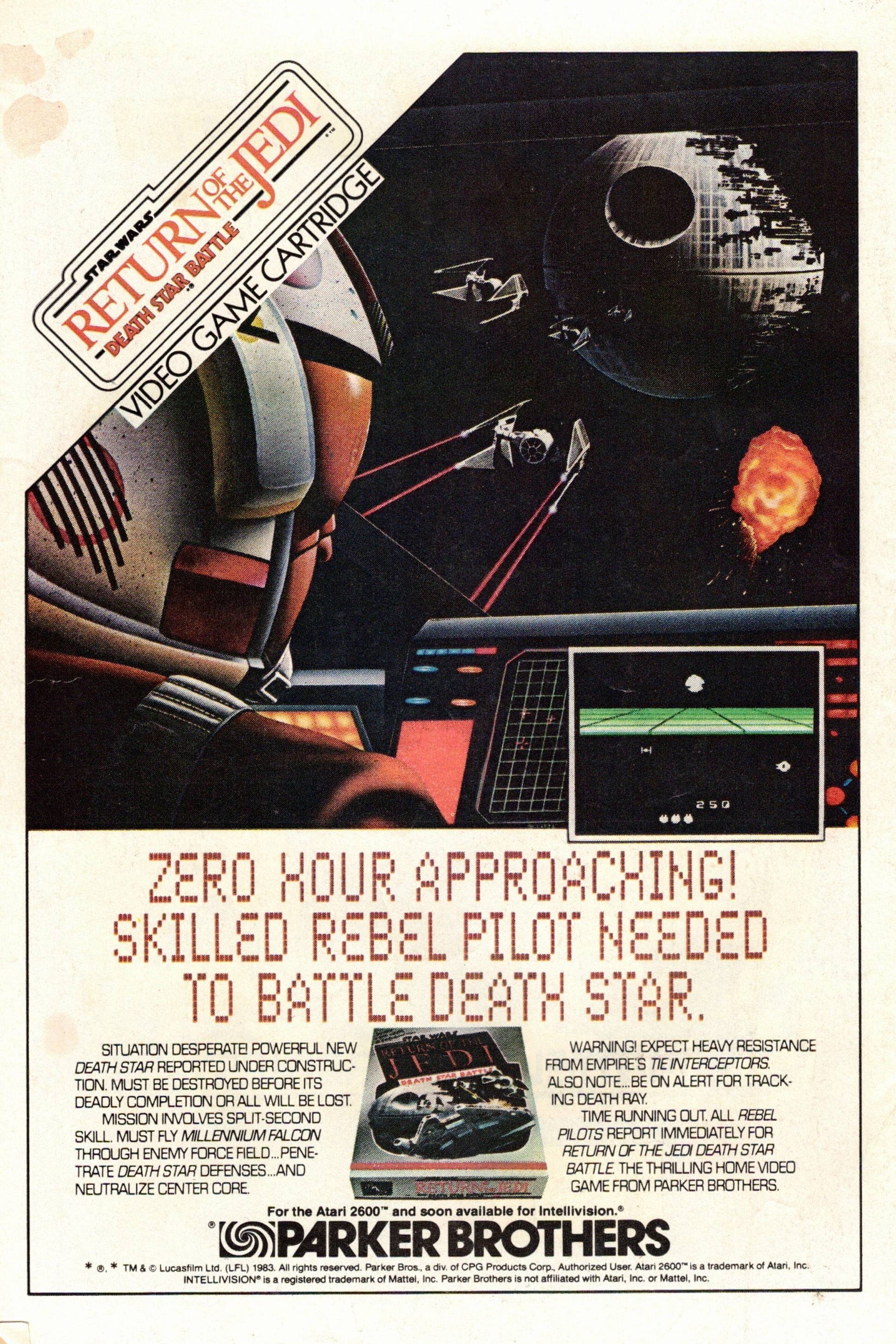
I generally prefer trying to get the original copies of these classic comics we review on the Comics Odyssey podcast. They are a time capsule of what these publishers wanted you to pay attention to and buy. In the 80’s Marvel had a acquired the license which had saved their finances in the late ’70s. Action figures, playsets, arcade contests promising “futuristic” prizes all feature heavily in the 1983 issue of Fantastic Four episode linked above. A trench-run Atari promised immersion “you can be a rebel pilot!”. I never watched Star Wars until the 90s. We didn’t have a TV. Instead I was outside running with my dog in the woods (she was an excellent rodent hunter!) I did feel like I was missing out on the pop culture party though.
Dad taught me early: ads lie. Those kids in the catalogue, beaming over the latest gadget? Paid actors. Video games of the era epitomized this kayfabe - Atari’s Star Wars promised starfighter thrills, but delivered only chirps and wireframes. It was Star Wars in name only.
Looking back on it as an adult, that isolation… yes it was tough at the time but did I really miss that much? Outdoor adventures stimulated my imagination better than any screen. Consumer culture’s promises? Hollow; onboarding kids into lifestyles of consumer lust. I was spared a lot of that.
Ads of a Quieter Type
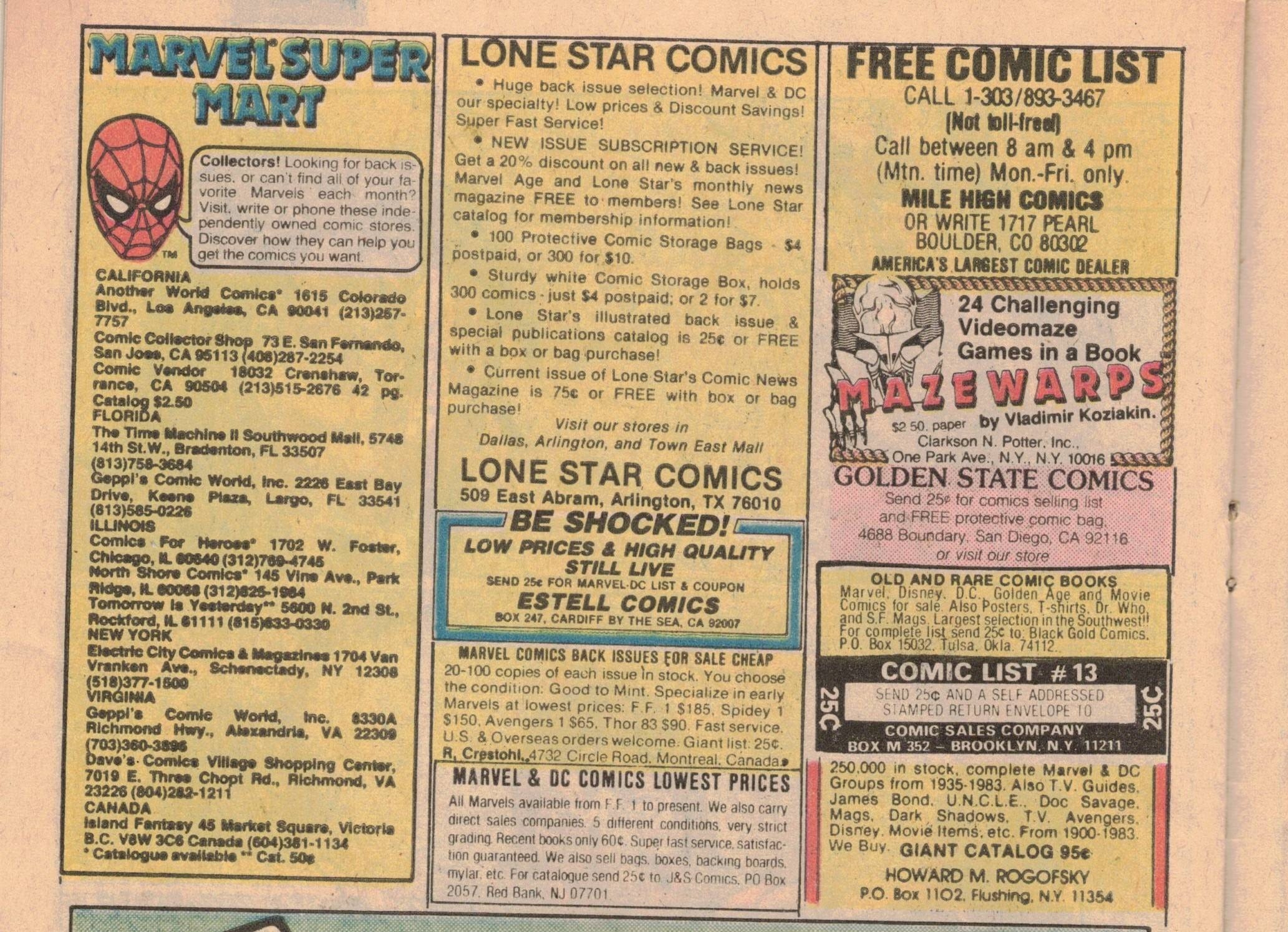
Next to the movie tie-ins were quieter ads for mail-order back-issue catalogues indicating that a market for back issues was gaining momentum. Old comics were now worth tracking down and assigning prices to. The very presence of that marketplace within the comics nudged readers into thinking in terms of runs, key issues, and condition.
That instinct has only intensified. Today, shop owners will tell you that back issues often form the stable backbone of their business. The seed of that collector mindset was already germinating in books like Fantastic Four #260; you just didn’t yet have the vocabulary of “slabs” and “keys.” You simply knew that somewhere, someone would sell you the issues you’d missed, for a little more than cover price, and that knowledge made your own copy feel a bit more like a treasure to hoard.
Looking at those ads, the collector market feels like it was still innocent. It was before the 90’s turned that market into a hollow hype machine.
Reading FF #260 straight, it’s a good story. Eyes on ads though, and it’s 1983’s ecosystem: licensing webs, toy hype, consumer funnels. Seen from another perspective, those ads weren’t lies - they were mirrors showing us who we thought we wanted to be. Forty years later, we’re still chasing down the same illusion, just through brighter screens.
I couldn’t get sea monkeys or play the Atari trench run, but I did learn to see magic in the woods. Maybe outsiders end up building their own fandom - one born not from what they buy, but from what they dream.
A good article, thank you. I’ll ponder upon your central point. I can’t quite picture your childhood, it’s so different from mine in the UK. I’m wondering just how isolated you were. How big was your community - was it a village? A farm home? How far to the nearest town and shop selling comics, newspapers, books, toys? Please give us some context. As for my own creative imagination, I definitely try to cultivate the time, space and quiet to let my stories and ideas grow in unusual directions. We didn’t have a tele for twenty years, for instance. I resist mass media narratives and the homogenisation of art through apps and group think. I’d rather develop my own reflections on what it is to be alive now, to be human, and infuse them into my work.
From what I know about your childhood so far, it sounds very similar to mine in some ways. Less nomadic but even more separated from pop culture.
I was jealous of anybody who had game consoles, computurs, had seen the latest movies everybody was talking about, a cool show on TV, etc. But like you, I look back at my isolation and lack of any sort of entertainment back then and wonder if my creative acumen would have flourished to the degree it did, had I not been forced to entertain myself, and so desperate for something interesting to read that I had to try making it on whatever paper I could find with whatever pencil was handy.